The Art of Mixing Textures in Home Decor Designs
In the realm of home decor, the art of mixing textures is not just a trend; it’s…
In the realm of home decor, the art of mixing textures is not just a trend; it’s a transformative approach that can elevate a space from mundane to extraordinary. As consumers increasingly seek unique and personalized environments, understanding how to effectively combine different materials and finishes is essential for creating a harmonious and visually appealing home.
Recent market statistics indicate that the home decor industry has seen a significant surge, with a projected growth rate of 4.5% annually, reaching an estimated market value of $664 billion by 2025. This growth is largely driven by the rising consumer interest in home improvement and interior design, particularly as more people invest in their living spaces.
Key Insight: The increasing demand for home decor products underscores the importance of innovative design techniques, such as texture mixing, which can enhance consumer satisfaction and drive sales.
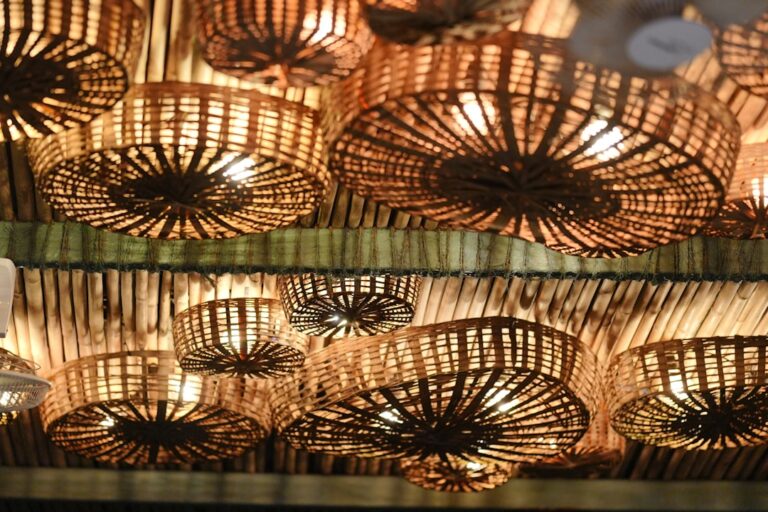
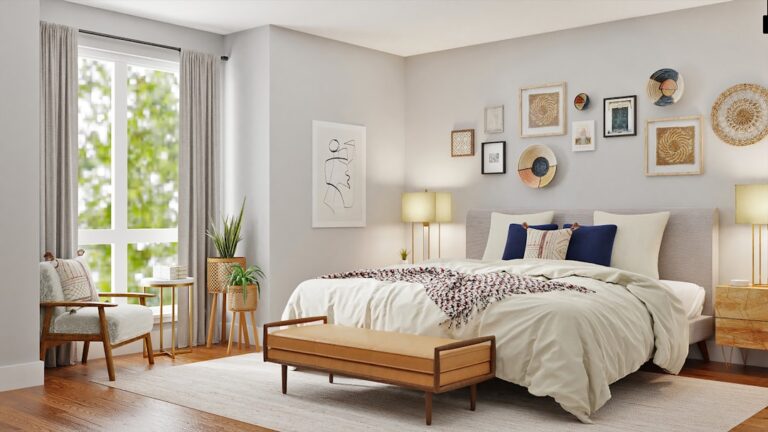
When it comes to mixing textures, the key is to create balance and contrast. A well-designed space often incorporates a variety of textures that complement each other, creating depth and interest. For instance, pairing a soft, plush velvet sofa with a sleek, metallic coffee table can create a striking visual contrast that draws the eye. Similarly, combining natural materials like wood with synthetic finishes can add warmth and sophistication to a room.
One effective strategy for mixing textures is to start with a neutral base. Neutral colors provide a versatile backdrop that allows different textures to shine without overwhelming the space. Once a neutral foundation is established, layering in various textures becomes easier. For example, a neutral-colored rug can serve as a canvas for adding textured throw pillows, a chunky knit blanket, and a woven basket.
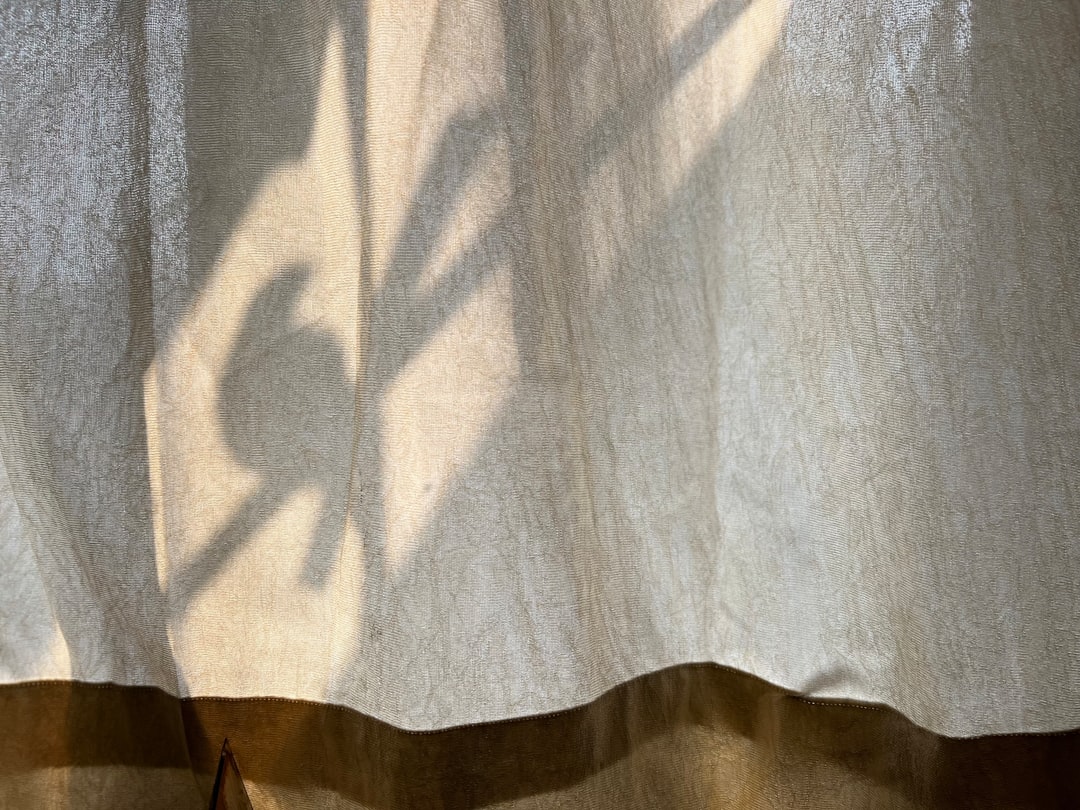
Moreover, the use of textiles plays a crucial role in texture mixing. Fabrics such as linen, cotton, and wool can be combined in various ways to create a cozy and inviting atmosphere. Consider using a linen tablecloth paired with cotton napkins and a wool runner for a dining table setting. This combination not only adds visual interest but also invites tactile engagement, making the dining experience more enjoyable.
In addition to textiles, incorporating different finishes and materials is essential for achieving a well-rounded look. For instance, combining matte and glossy finishes can create a dynamic interplay of light and shadow. A matte-finished wall can be beautifully contrasted with glossy ceramic vases or metallic accents, adding layers of complexity to the design.
Another important aspect of mixing textures is scale. Varying the size of textured elements can create a sense of rhythm and flow within a space. Large, oversized cushions can be paired with smaller decorative items, such as intricate sculptures or delicate candle holders, to create a balanced composition. This approach not only enhances visual appeal but also encourages exploration and interaction within the space.
As consumers become more discerning in their purchasing behavior, they are increasingly drawn to brands that offer unique and thoughtfully designed products. E-commerce platforms like aurabirdnest.com have recognized this shift and are curating collections that emphasize texture mixing. By showcasing products that embody this design philosophy, they are catering to the evolving tastes of modern consumers who seek to express their individuality through their home decor choices.
Furthermore, the rise of social media platforms has amplified the importance of aesthetics in home decor. Consumers are now more inspired than ever to share their design choices online, leading to a greater emphasis on visually striking interiors. This trend has prompted brands to focus on creating products that not only serve a functional purpose but also contribute to the overall visual narrative of a space.
In conclusion, the art of mixing textures in home decor designs is a powerful tool for creating inviting and personalized spaces. As the home decor market continues to grow, understanding the nuances of texture mixing will be crucial for both consumers and brands alike. By embracing this design principle, individuals can transform their homes into reflections of their unique styles, while brands can capitalize on the demand for innovative and aesthetically pleasing products.